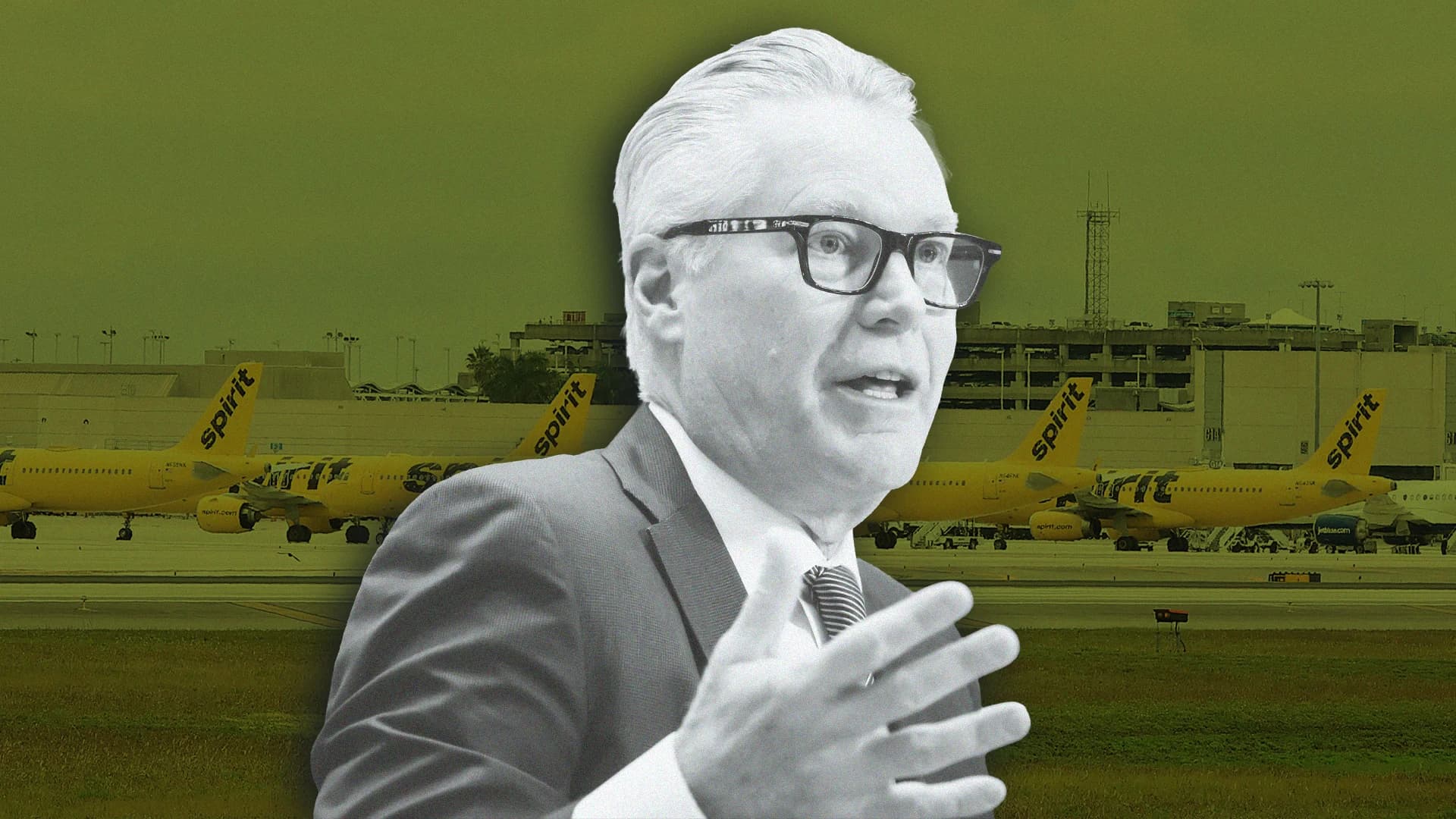
Photo via Inc.
Spirit Airlines' struggle to remain competitive has prompted industry leaders to examine what went wrong with the ultra-low-cost carrier model. According to Inc., a premium airline CEO recently suggested that Spirit's fundamental problem wasn't external market forces, but rather the core product itself—a business strategy built on bare-bones service that ultimately failed to attract and retain customers.
The criticism highlights a critical tension in the airline industry: the race to the bottom on pricing doesn't guarantee profitability or loyalty. When carriers strip away amenities, charge for basics, and prioritize cost-cutting over customer experience, they risk commoditizing their service to the point where price becomes the only differentiator. For Charlotte's business community, which depends on reliable regional air connectivity, this dynamic carries real implications for travel options and scheduling reliability.
This case study extends beyond aviation, offering broader business lessons about product positioning and brand strategy. Companies that compete solely on price often find themselves vulnerable to market disruption and customer dissatisfaction. The airline industry's consolidation and changing consumer preferences suggest that sustainability requires balancing cost structure with the value proposition customers actually want.
As Charlotte continues to grow as a regional business hub, understanding how service-based industries maintain competitive advantage—beyond underpricing rivals—becomes increasingly relevant. The Spirit Airlines situation underscores why companies must articulate clear value beyond cost, or risk becoming commoditized in their respective markets.