Photo via Fast Company
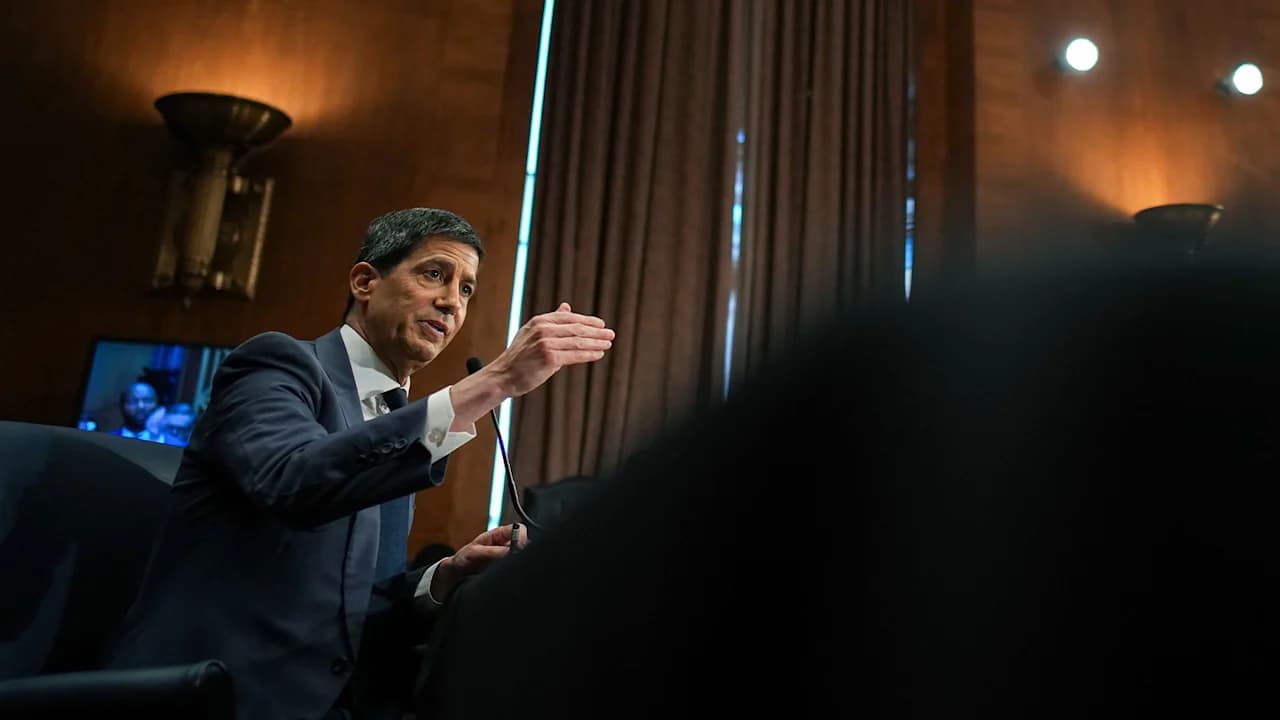
Kevin Warsh is poised to become the next Federal Reserve chair, a position that carries enormous influence over U.S. monetary policy and, by extension, the Charlotte region's economic health. During his Senate confirmation hearing, lawmakers pressed Warsh on whether he would maintain the Fed's independence or become beholden to political pressure—a concern that resonates with local business leaders who depend on predictable interest rate environments for lending and expansion plans.
Warsh's track record reveals a tension that concerns observers: he previously advocated for aggressive rate hikes to combat inflation but has recently aligned with calls for lower rates. His deep ties to Wall Street—including roles at Morgan Stanley and Duquesne Capital—raise questions about potential conflicts of interest. For Charlotte businesses and financial institutions, this inconsistency matters because the Fed's rate decisions directly affect everything from commercial lending costs to mortgage availability and consumer spending power.
According to political scientists cited in the analysis, Warsh's finance sector background may paradoxically strengthen his independence from presidential pressure. Wall Street traditionally favors stable, inflation-conscious monetary policy over short-term growth stimulus—incentives that could push Warsh toward disciplined rate-setting rather than political accommodation. Powell, who also came from the financial sector, demonstrated this kind of independence throughout both Trump and Biden administrations.
For Charlotte's business community, the stakes are significant. The Fed's decisions on interest rates and its $6.7 trillion balance sheet ripple through commercial real estate, banking operations, and consumer lending. If Warsh maintains hawkish discipline on inflation despite political pressure, Charlotte's financial institutions and growing tech sector could benefit from predictable policy. Conversely, regulatory rollbacks Warsh supports could reshape oversight of the region's banking sector.