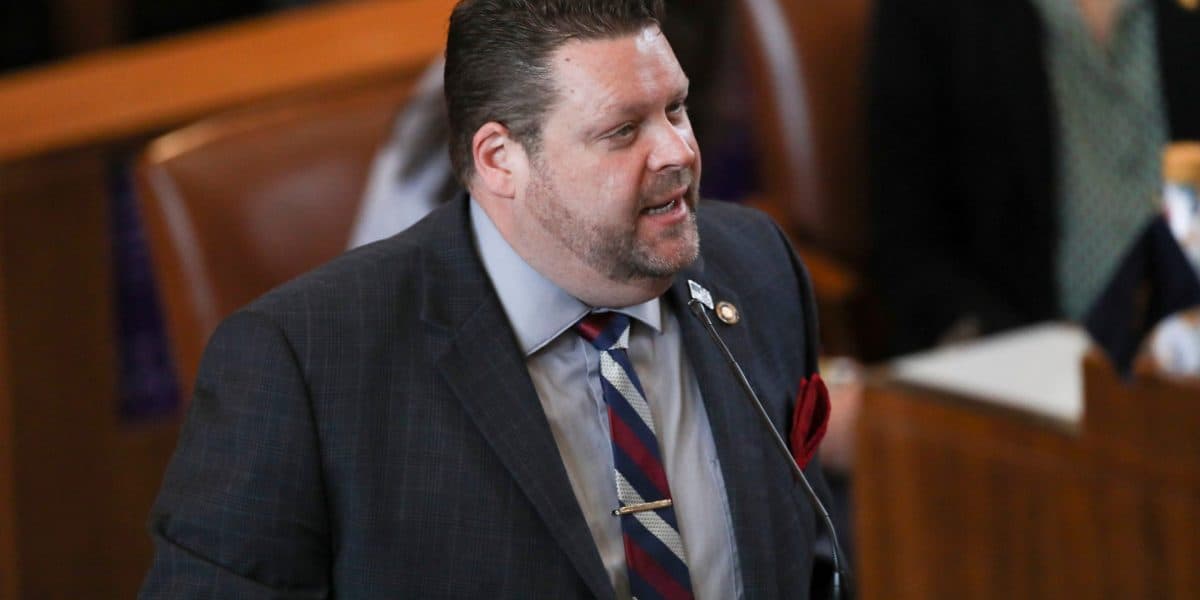
Photo via Fortune
A cautionary tale unfolding in Oregon offers important insights for business and policy leaders everywhere, including those in Charlotte's corporate community. According to Fortune, Oregon Democrats championed a gas tax measure that faced overwhelming public rejection, with 83% of voters opposing it despite Democratic dominance in the state legislature. The outcome raises questions about how elected officials and business interests can better communicate policy rationale to the public.
The disconnect between legislative action and voter sentiment reflects a broader challenge facing policymakers: the failure to build consensus before implementation. When major initiatives lack transparent communication and stakeholder engagement, public trust erodes quickly. For Charlotte-area business leaders accustomed to navigating local and state policy, the Oregon example underscores the importance of engaging community members, media, and affected industries early in the legislative process rather than after decisions are made.
The political fallout now threatens Senator Jeff Merkley and other Oregon Democrats heading into upcoming elections. This dynamic mirrors challenges faced by business executives who advance unpopular cost-cutting measures or operational changes without first building internal and external support. The lesson: perception and communication are as critical as policy substance itself.
As Charlotte continues developing its infrastructure, transportation, and fiscal policies, business leaders and elected officials would do well to study Oregon's misstep. Successful initiatives require clear messaging, stakeholder input, and demonstrated benefits. Without these elements, even reasonable policies risk public rejection and political backlash that can undermine broader legislative agendas.