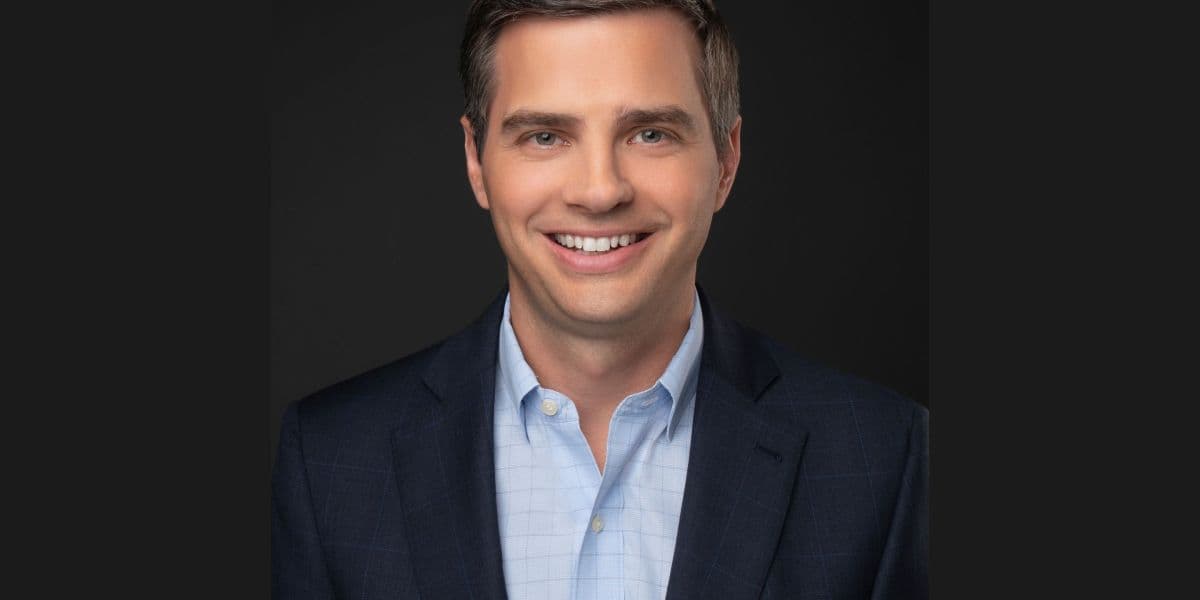
Photo via Fortune
As artificial intelligence reshapes the employment landscape, a growing number of young professionals are seeking careers that cannot be easily automated. According to Fortune, Kurt Alexander, president of Omni Hotels' 50-property chain, contends that the hospitality industry represents an underappreciated opportunity for Gen Z workers concerned about job security in an AI-driven economy. His perspective aligns with long-standing views from prominent business leaders who have championed the resilience of human-centered work.
The hospitality sector's inherent reliance on human interaction, emotional intelligence, and real-time problem-solving creates natural barriers to automation. Guest services, event coordination, and relationship management—core functions of hotel operations—require the kind of interpersonal skills and adaptive thinking that AI cannot easily replicate. For Charlotte's thriving hotel and tourism industry, this positions hospitality as a competitive employer in attracting talent concerned about technological displacement.
Alexander's argument carries particular weight as hospitality grapples with workforce shortages and generational shifts in career preferences. Rather than viewing automation as an existential threat, forward-thinking hospitality leaders are reframing the industry as offering genuine job security rooted in human value. This positioning could prove especially valuable for Charlotte-area hospitality operators seeking to attract quality talent in a competitive regional market.
For Gen Z job seekers prioritizing career longevity and meaningful work, hospitality's emphasis on customer connection and operational expertise offers a compelling alternative to roles vulnerable to automation. As artificial intelligence continues advancing, industries built on human relationships may increasingly appeal to young professionals seeking stability and purpose in their careers.