Photo via Fast Company
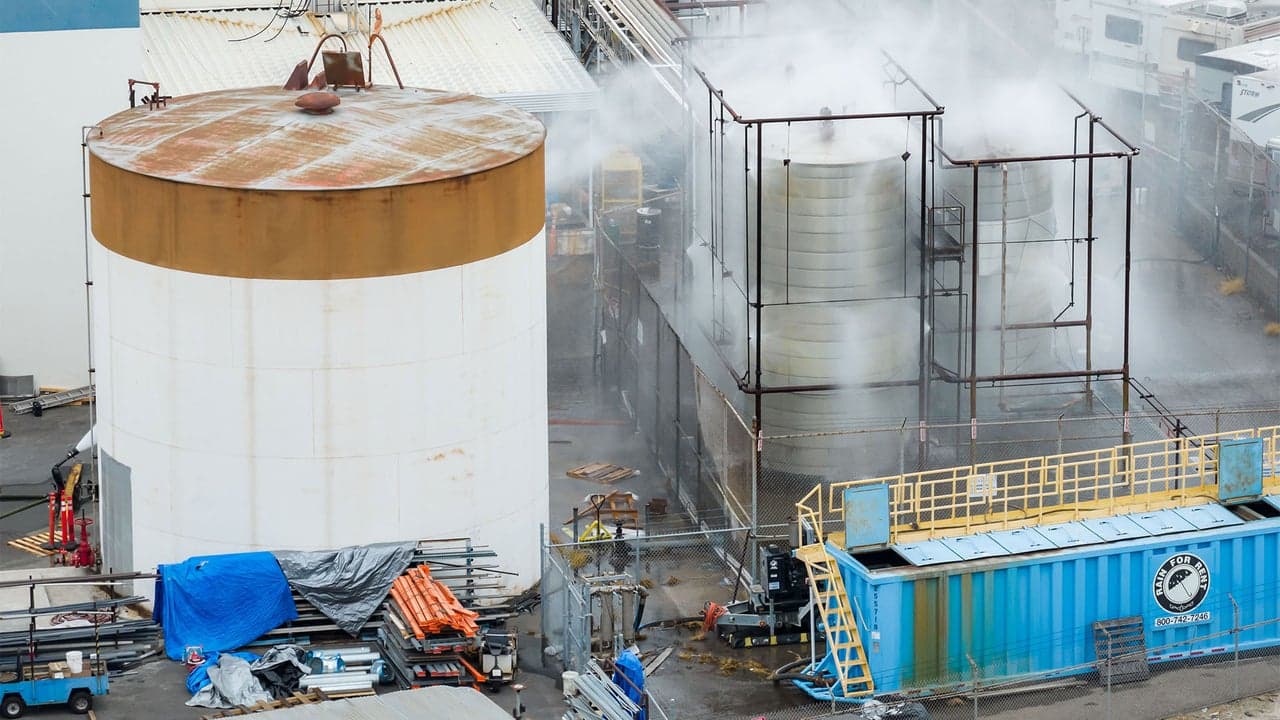
An overheated chemical storage tank at a Southern California aerospace parts manufacturer created a major evacuation crisis this weekend, forcing 50,000 residents from their homes. The facility, operated by GKN Aerospace Transparency Systems, stores methyl methacrylate—a volatile chemical used in aircraft component manufacturing—and experienced a pressure buildup that threatened potential explosion. While a crack in the tank may have relieved some internal pressure, the incident underscores how industrial hazards can rapidly escalate into community-wide emergencies requiring state and federal intervention.
The situation highlights operational and regulatory compliance challenges within aerospace manufacturing. According to reports, GKN Aerospace settled violations with state regulators in 2025 for over $900,000, citing recordkeeping lapses, permitting issues, and emissions problems. For Charlotte-area manufacturers and aerospace suppliers, the incident serves as a cautionary reminder about the importance of rigorous facility maintenance, environmental compliance, and emergency preparedness—especially as the region continues attracting aerospace and advanced manufacturing operations.
Residents have already filed class-action litigation against the operator, with legal teams arguing that property values and business operations will suffer permanent damage regardless of the immediate outcome. This exposure highlights the financial and reputational risks companies face when industrial incidents disrupt communities. Emergency response efforts, including drone monitoring and water cooling operations, demonstrate the complexity and cost of managing hazardous material crises once they begin—costs that ultimately fall on operators and insurers.
For North Carolina businesses in manufacturing and logistics, the California crisis offers important lessons about risk management and stakeholder communication. Companies handling hazardous materials should conduct comprehensive facility audits, invest in preventive maintenance protocols, and maintain transparent dialogue with regulatory agencies and neighboring communities. As Charlotte's industrial sector grows, proactive safety culture and compliance investments can help avoid costly disasters and preserve community trust.