Photo via Inc.
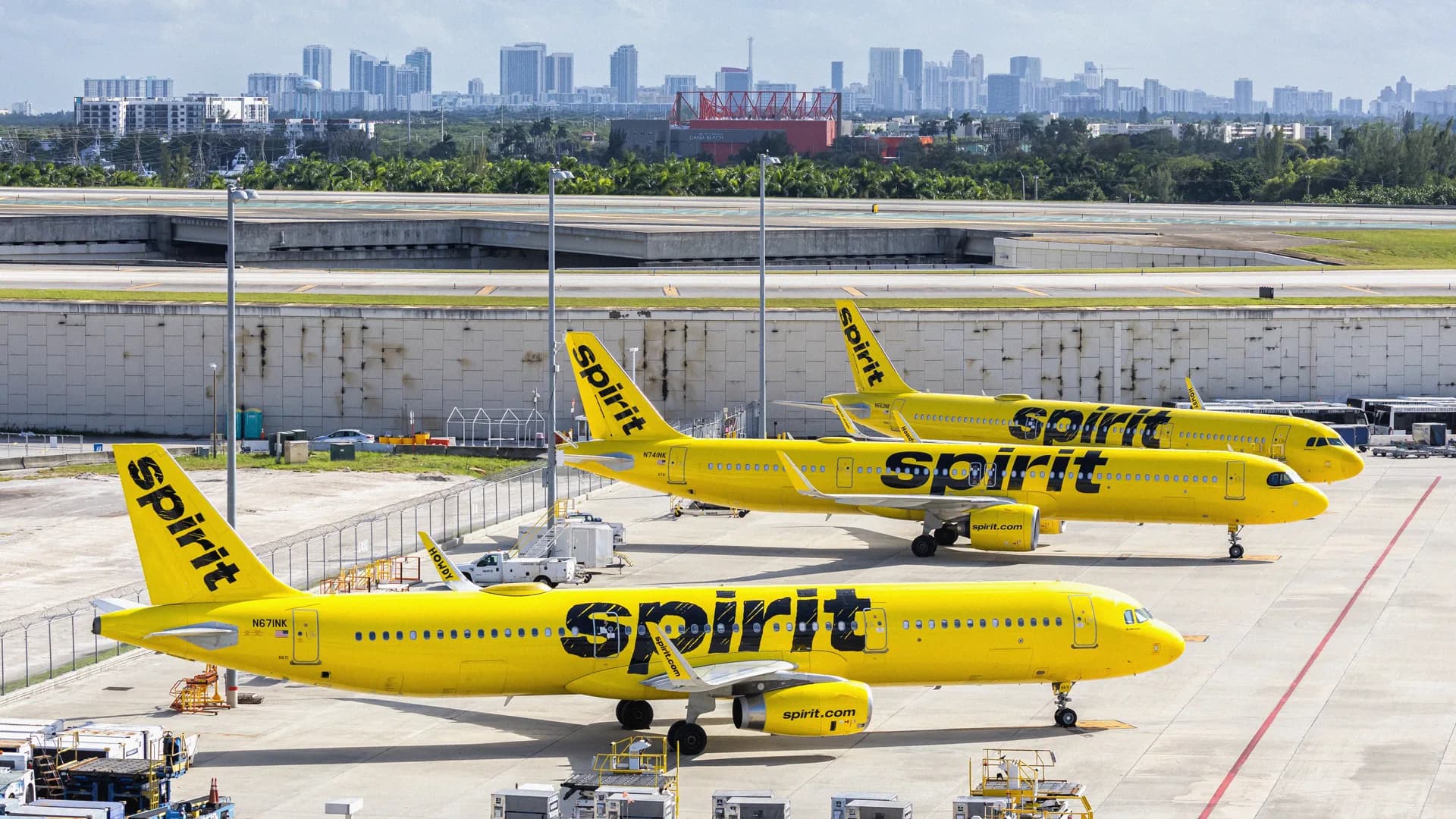
The sudden collapse of a major airline presents a complex logistical challenge that extends far beyond the airline itself. According to Inc., when Spirit Airlines failed, aviation recovery specialists faced a critical window to secure and relocate dozens of aircraft stranded across multiple airports. This scenario underscores the importance of having specialized firms positioned to handle asset recovery in the transportation sector—a lesson relevant to Charlotte's growing logistics and supply chain community.
Nomadic Aviation Group's mobilization of 20 pilots within a six-hour window demonstrates the operational precision required in high-stakes asset recovery. The firm had to coordinate personnel, secure certifications, and execute coordinated flights across numerous locations simultaneously. This type of rapid-response capability mirrors crisis management protocols seen in other industries, from supply chain disruptions to emergency logistics operations that Charlotte-area businesses increasingly rely on.
The financial stakes in such operations are substantial. Stranded aircraft represent millions of dollars in assets that require immediate action to preserve their value. Recovery firms must balance speed with regulatory compliance, pilot availability, and coordination with airport authorities. For Charlotte's business community, this scenario illustrates how specialized service providers create competitive advantages during industry disruptions.
As airlines continue to face financial pressures, the demand for aviation recovery and asset management services is likely to grow. Companies in Charlotte's transportation and logistics sectors may find opportunities in related fields, from equipment recovery to supply chain resilience consulting. Understanding these specialized niches helps regional business leaders anticipate market shifts and identify emerging service opportunities.