Photo via CNBC Business
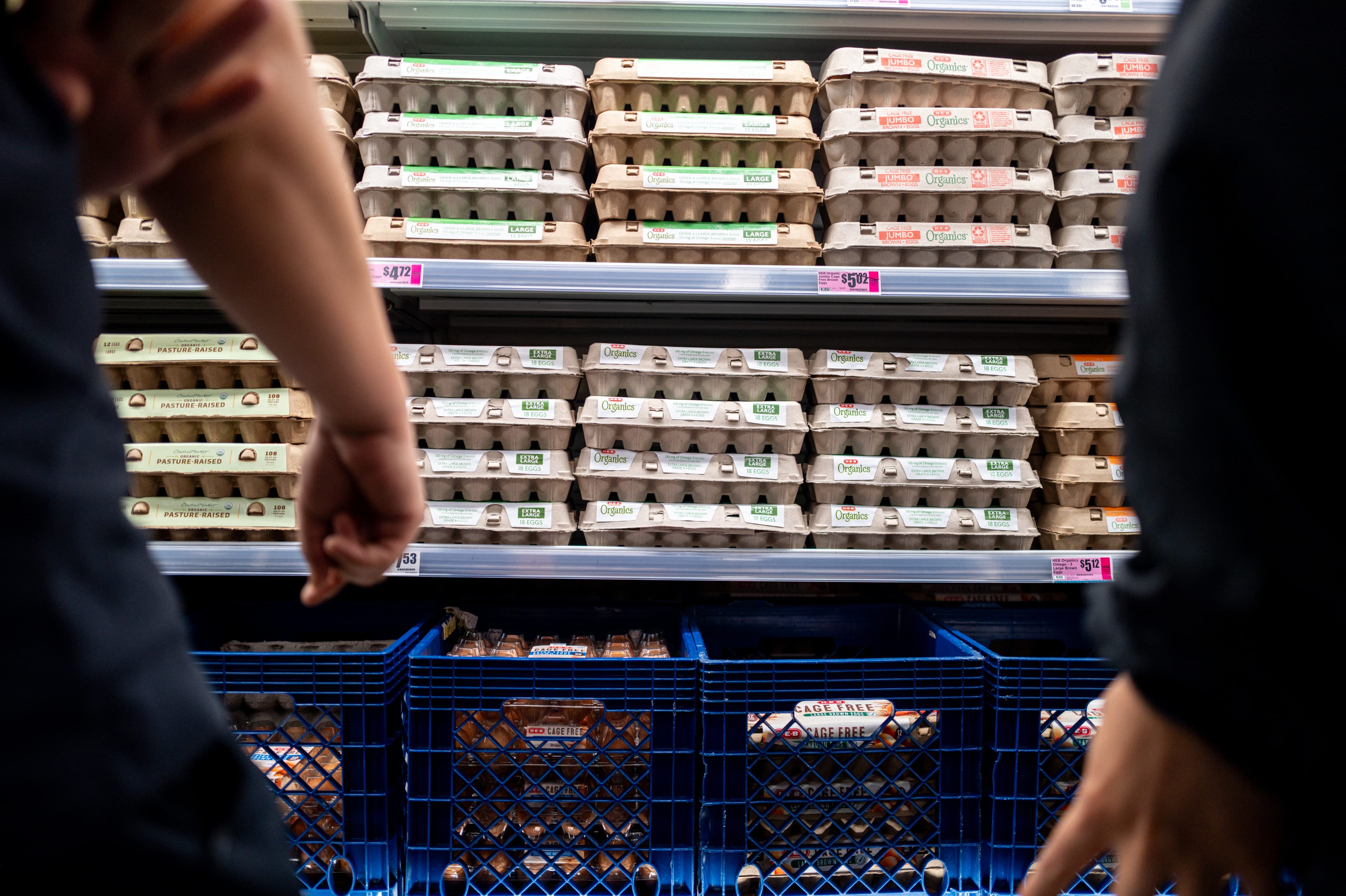
The U.S. egg market is experiencing a significant shift as supply levels normalize following the avian flu outbreaks that decimated flocks in recent years. According to CNBC Business, prices have declined sharply from the elevated levels consumers saw during the shortage period. This oversupply correction is welcome news for retailers and food service operators who stock eggs, but it's creating new challenges for producers managing razor-thin profit margins.
While lower egg prices benefit consumers and businesses that rely on eggs as a key ingredient—including bakeries, restaurants, and food manufacturers throughout the Charlotte region—producers are facing a different reality. Feed costs, fuel expenses, and labor wages have remained stubbornly high, creating a squeeze between lower selling prices and persistent operating expenses. For North Carolina's agricultural operations, this dynamic underscores the ongoing pressure on farm profitability.
The cost structure for egg producers has become increasingly complex. Beyond commodity feed prices tied to grain markets, producers must manage transportation costs, worker compensation, and facility maintenance in an environment where their primary revenue stream is declining. This misalignment between input costs and output prices is forcing many operations to examine efficiency improvements and operational adjustments.
For Charlotte-area businesses reliant on egg supplies—from restaurant chains to institutional food service providers—the current market conditions offer an opportunity to secure better pricing while supply remains plentiful. However, industry observers caution that any new disruptions could quickly reverse the oversupply situation, making long-term supply chain planning essential for regional food manufacturers and hospitality operators.