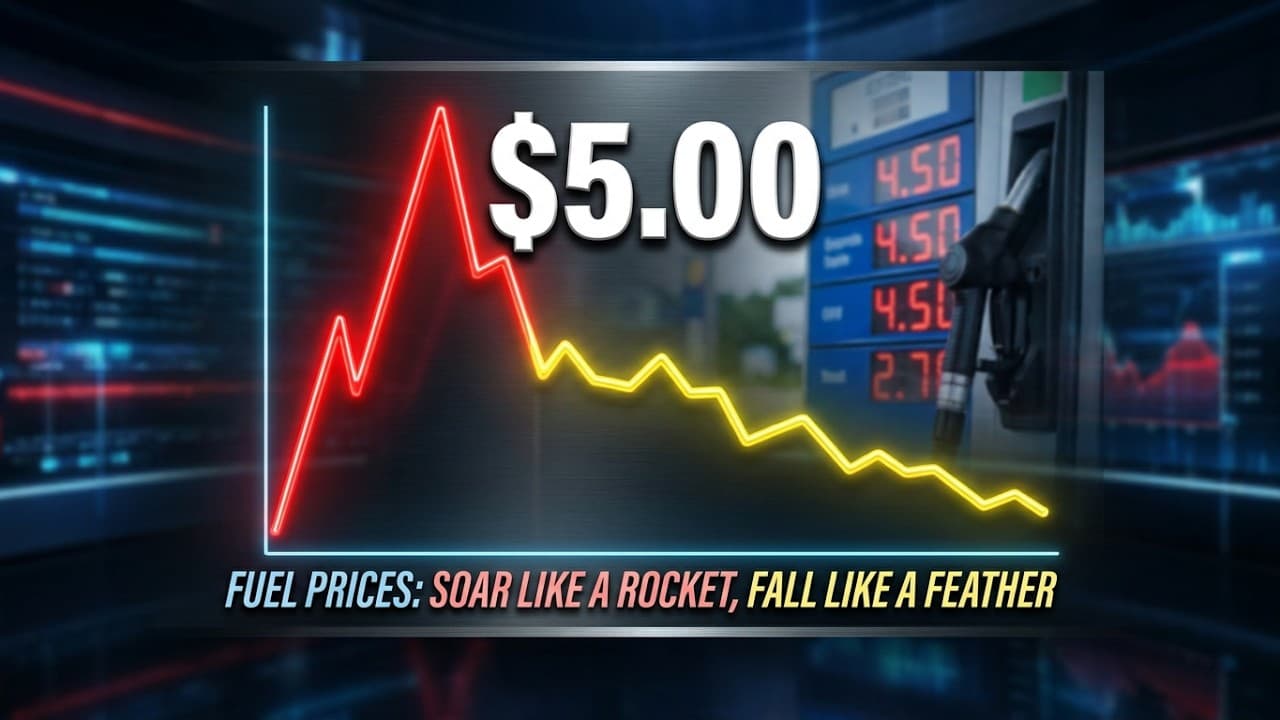
Finance leaders from the world's largest economies are gathering in Paris to tackle escalating energy prices and the economic consequences of international sanctions policy, according to reporting from the New York Times. The summit represents a critical moment for policymakers to coordinate responses to global market disruptions that could have downstream effects on businesses across sectors and regions.
For Charlotte-area companies, particularly those in logistics, manufacturing, and retail, energy costs remain a significant operational expense. Rising fuel prices driven by geopolitical tensions can increase transportation expenses and squeeze profit margins. Local supply chain managers should monitor outcomes from the G7 discussions, as any coordinated policy shifts could either stabilize or further volatilize energy markets in the coming months.
The broader implications extend to consumer pricing. Charlotte retailers and service providers that depend on fuel-intensive delivery networks may face pressure to adjust pricing or absorb costs. Companies with exposure to international trade should consider how energy-related inflation might impact their competitiveness and customer demand in a region with significant logistics and distribution hub activity.
Business leaders in Charlotte should stay informed about international economic policy developments, as energy market stability directly influences operating costs, supply chain reliability, and consumer spending patterns. Proactive financial planning and scenario analysis around energy costs will be essential for companies navigating the uncertain months ahead.