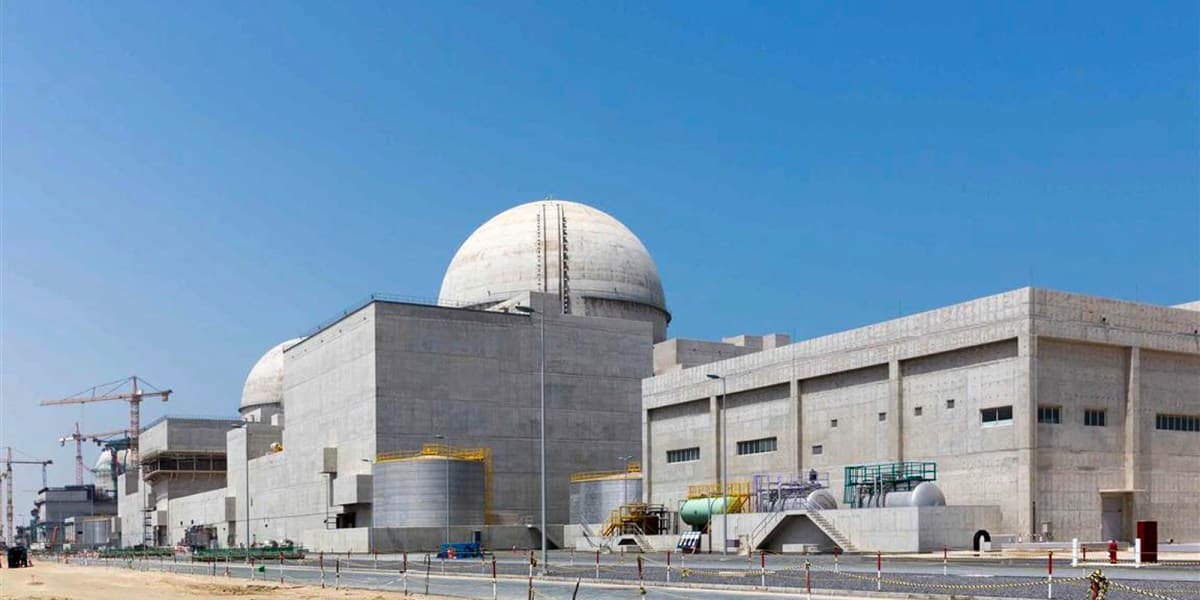
Photo via Fortune
The Barakah nuclear power plant in the United Arab Emirates experienced a drone-related fire this week, according to Fortune, marking the first attack on the facility since geopolitical tensions in the Middle East intensified. The incident underscores growing concerns about the vulnerability of critical energy infrastructure to aerial threats, a worry that extends across global markets and supply chains that Charlotte-area businesses depend on.
Developed with a $20 billion investment and built in partnership with South Korea, the Barakah plant came online in 2020 and represents a significant shift toward nuclear energy in the region. The facility's operational importance extends beyond the UAE, as energy stability in the Middle East influences global oil and gas markets that affect energy costs and supply chain reliability for companies across North Carolina.
The attack raises urgent questions about the security protocols surrounding nuclear installations in conflict-adjacent regions. Energy sector experts and policymakers worldwide are now reassessing how to protect critical infrastructure from evolving drone technology—a concern that resonates with U.S. defense contractors and technology firms working on security solutions, some of which have ties to the Charlotte region.
For Charlotte business leaders tracking geopolitical risk and energy market volatility, this incident serves as a stark reminder of how regional instability can cascade into global economic impacts. Companies with exposure to Middle Eastern energy markets or international supply chains should monitor developments closely as security measures around critical infrastructure may shift in coming months.