Photo via Inc.
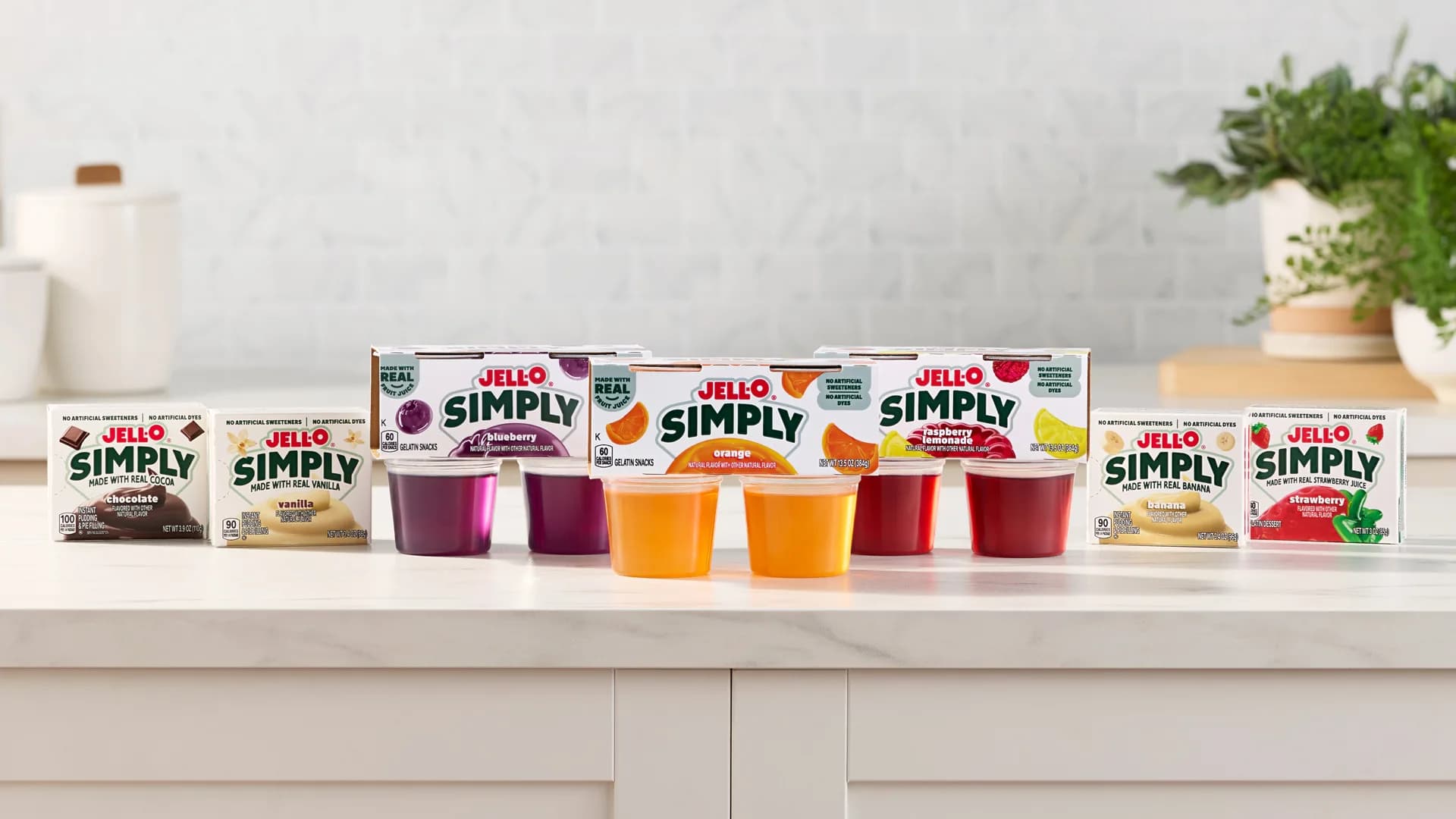
Kraft Heinz has announced it will remove artificial dyes from its iconic Jell-O brand, marking a significant reformulation of a product that has been a staple in American households for generations. According to Inc., the decision comes as consumer preferences increasingly favor products with natural or recognizable ingredients over synthetic additives.
The move by one of the world's largest food manufacturers signals the growing market pressure facing packaged food companies to reformulate legacy products. For Charlotte-area retailers and distributors, this change means updated packaging, potential inventory transitions, and customer communications about the reformulation. Local grocery chains and food service providers will need to adjust their sourcing and marketing strategies accordingly.
This reformulation aligns with a broader industry trend toward clean-label products and the elimination of artificial ingredients. Major food brands have faced consumer scrutiny and regulatory challenges regarding synthetic dyes, particularly regarding health and wellness concerns among younger consumers and parents. The shift suggests that even century-old products are not immune to evolving market demands.
For Charlotte's food and beverage industry professionals, this development underscores the importance of staying ahead of ingredient transparency trends. Companies involved in food manufacturing, distribution, and retail should consider how similar reformulation pressures might affect their own product lines and customer expectations, particularly as health-conscious consumers continue to influence purchasing decisions across the region.