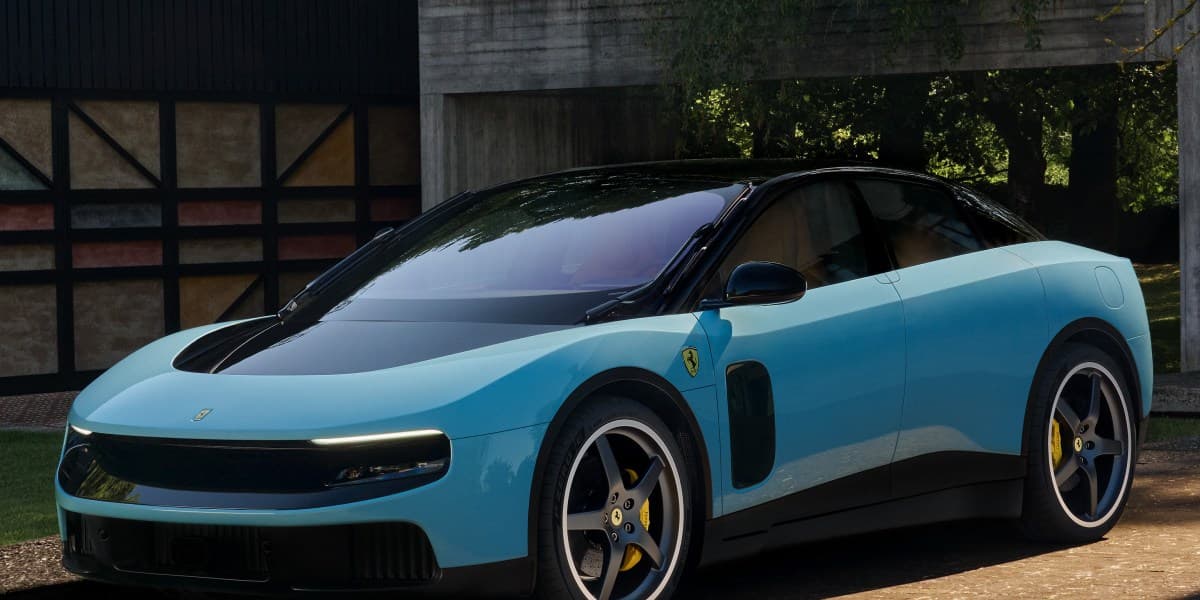
Photo via Fortune
Ferrari's introduction of a $640,000 electric vehicle has ignited significant backlash from the brand's devoted customer base, raising important questions about how legacy luxury companies manage radical product transitions. According to Fortune, the Italian automaker's core audience expressed skepticism about the departure from the combustion engines that have defined the brand for decades, with some industry observers questioning whether the move undermines the iconic appeal that commands premium pricing.
The controversy highlights a broader challenge facing heritage brands in the automotive sector: balancing environmental and regulatory pressures against the emotional connection consumers have built with traditional products. Ferrari's former leadership has warned that pivoting too aggressively toward electrification risks what one former chairman called the 'destruction of a myth'—suggesting that brand equity built over generations cannot be casually reimagined without consequence.
For Charlotte-area luxury retailers and automotive enthusiasts, this debate carries practical implications. As premium automotive brands navigate electrification, dealerships and service providers must prepare for shifting customer expectations, new technical requirements, and potential brand loyalty challenges. The tension between innovation and tradition will likely define competitive advantage in the high-end vehicle market over the next decade.
The Ferrari case demonstrates that even the world's most prestigious brands cannot ignore market forces or consumer values. Companies across industries—particularly those built on heritage and exclusivity—must carefully calibrate their transformation strategies, ensuring that necessary adaptations enhance rather than diminish the brand promise that justifies premium positioning.