Photo via Fortune
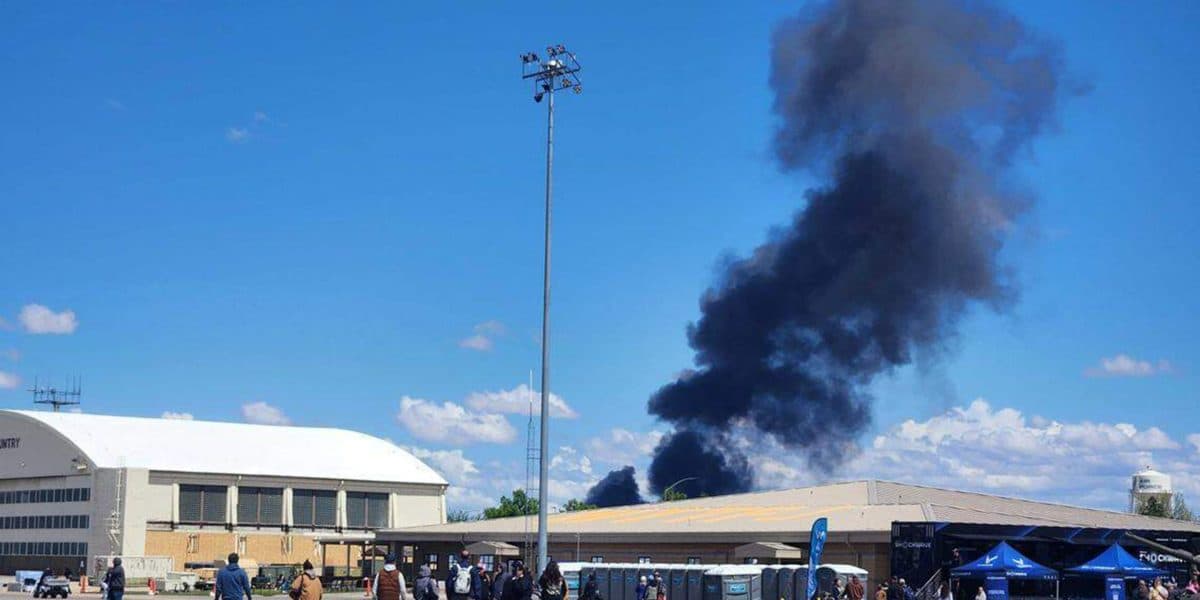
Two Navy fighter jets collided during an aerobatic demonstration at the Gunfighter Skies Air Show in Idaho, resulting in both aircraft crashing. According to Fortune, all four crew members ejected safely from the jets, avoiding what could have been a tragedy. The incident prompted an immediate lockdown of the military installation as emergency response teams secured the area.
The collision underscores the risks inherent in precision flying demonstrations, where pilots execute complex maneuvers at high speeds in close proximity. While air shows remain popular public events featuring military capabilities, incidents like this one remind stakeholders of the importance of rigorous training, maintenance protocols, and safety procedures that govern military flight operations.
North Carolina's aerospace and defense sector, centered in the Charlotte region and across the state, supports critical manufacturing and maintenance operations for military aircraft systems. Companies throughout the region produce components, avionics, and materials integral to Navy fleet readiness and pilot safety equipment—making the broader aviation safety ecosystem a matter of regional economic interest.
Military aviation safety investigations typically examine multiple factors including pilot experience, aircraft maintenance records, weather conditions, and procedural compliance. The incident will likely prompt a thorough review by Navy officials to identify any systemic lessons applicable to future training and operational standards across the fleet.