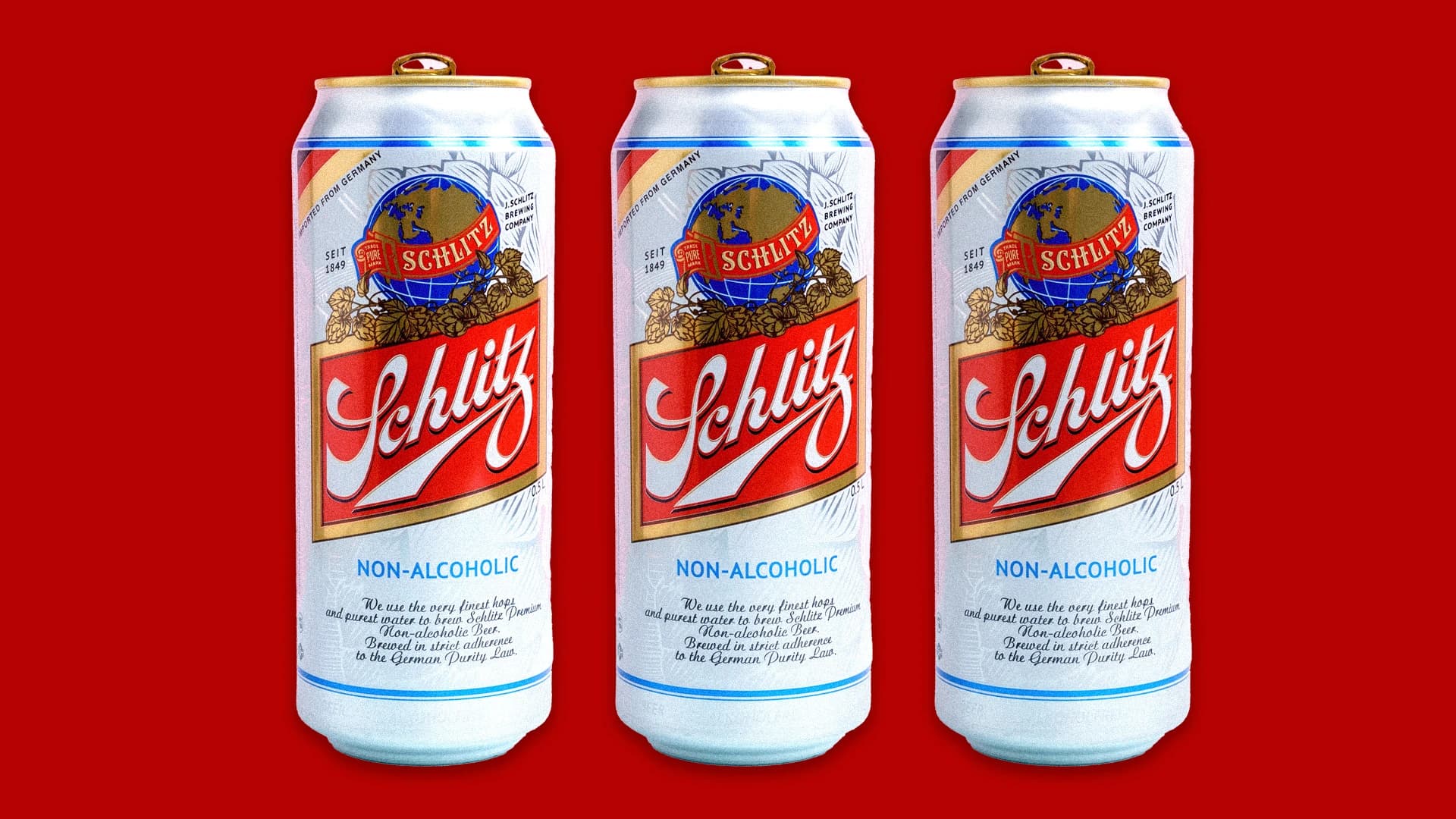
Photo via Inc.
Pabst Brewing Company has announced it will discontinue production of Pabst Blue Ribbon, the Milwaukee-based lager that once commanded the top spot in global beer sales. The decision marks the end of a 177-year chapter for the storied brand, which became synonymous with American beer culture throughout much of the 20th century. According to Inc., this move reflects the company's strategic pivot amid declining sales in the mass-market beer category.
The closure of PBR represents a microcosm of challenges facing legacy beverage manufacturers nationwide. Charlotte-area distributors and retailers who stock heritage beer brands are increasingly feeling pressure as younger consumers gravitate toward craft breweries, hard seltzers, and premium imported options. The shift in consumer preferences has forced major brewers to either innovate or divest from declining product lines, a pattern that extends well beyond the beer industry.
For Charlotte's retail and hospitality sectors, the PBR discontinuation underscores the importance of understanding evolving customer demographics and purchasing habits. Local bar owners and convenience store operators who relied on price-point positioning and nostalgic brand recognition may need to reassess their inventory strategies. The decision demonstrates how even iconic, century-old brands must adapt or face obsolescence in today's competitive marketplace.
The broader takeaway for regional business leaders is clear: market leadership in one era doesn't guarantee relevance in the next. Companies that fail to anticipate and respond to changing consumer preferences risk losing ground to more agile competitors. As Charlotte's business community evaluates its own portfolio of products and services, the Pabst story serves as a cautionary reminder that legacy alone cannot sustain long-term growth.