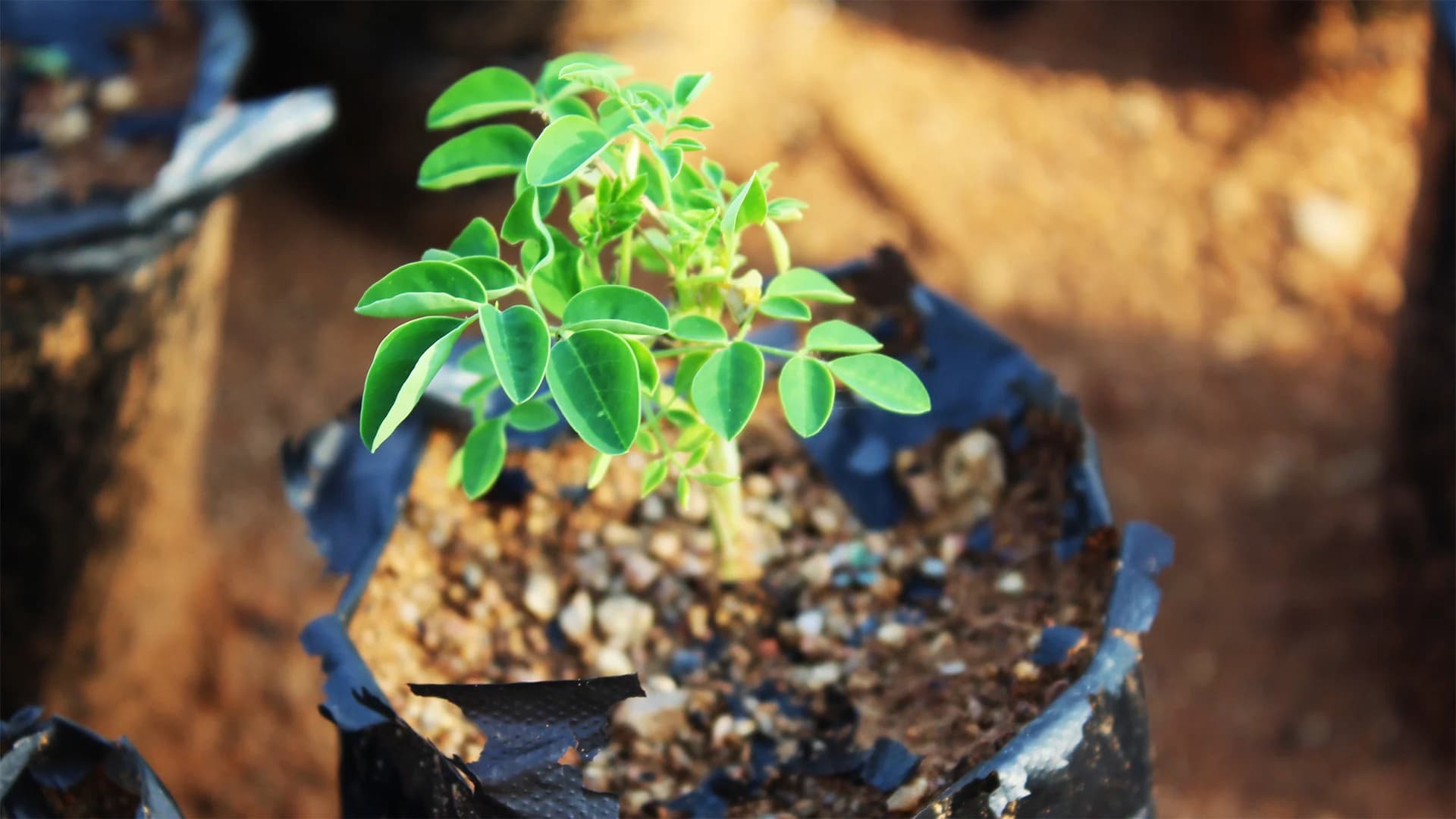
Photo via Inc.
Scientists have identified an ancient tree species as a potentially game-changing solution for one of modern industry's persistent challenges: microplastic contamination in water supplies. According to recent research highlighted by Inc., the natural material derived from this plant can filter out 98 percent of microplastics, offering manufacturers and municipalities a cost-effective alternative to traditional chemical-based purification methods.
For Charlotte-area businesses—particularly those in food and beverage production, pharmaceuticals, and industrial manufacturing—the implications could be significant. Companies facing increasing pressure from both regulators and consumers to reduce environmental impact may find this plant-based approach more economically viable than existing filtration technologies, potentially lowering compliance costs while improving their sustainability credentials.
The discovery underscores a broader industry trend toward nature-inspired solutions for environmental challenges. Rather than relying exclusively on synthetic chemicals or complex mechanical systems, this approach taps into properties that have existed for centuries, making it accessible to businesses of varying scales and capital budgets.
As water quality regulations tighten and corporate sustainability commitments deepen, Charlotte's manufacturing and consumer goods companies should monitor developments in this technology. Early adoption of proven, cost-effective water purification solutions could provide competitive advantages in an increasingly environmentally conscious marketplace.