Photo via Inc.
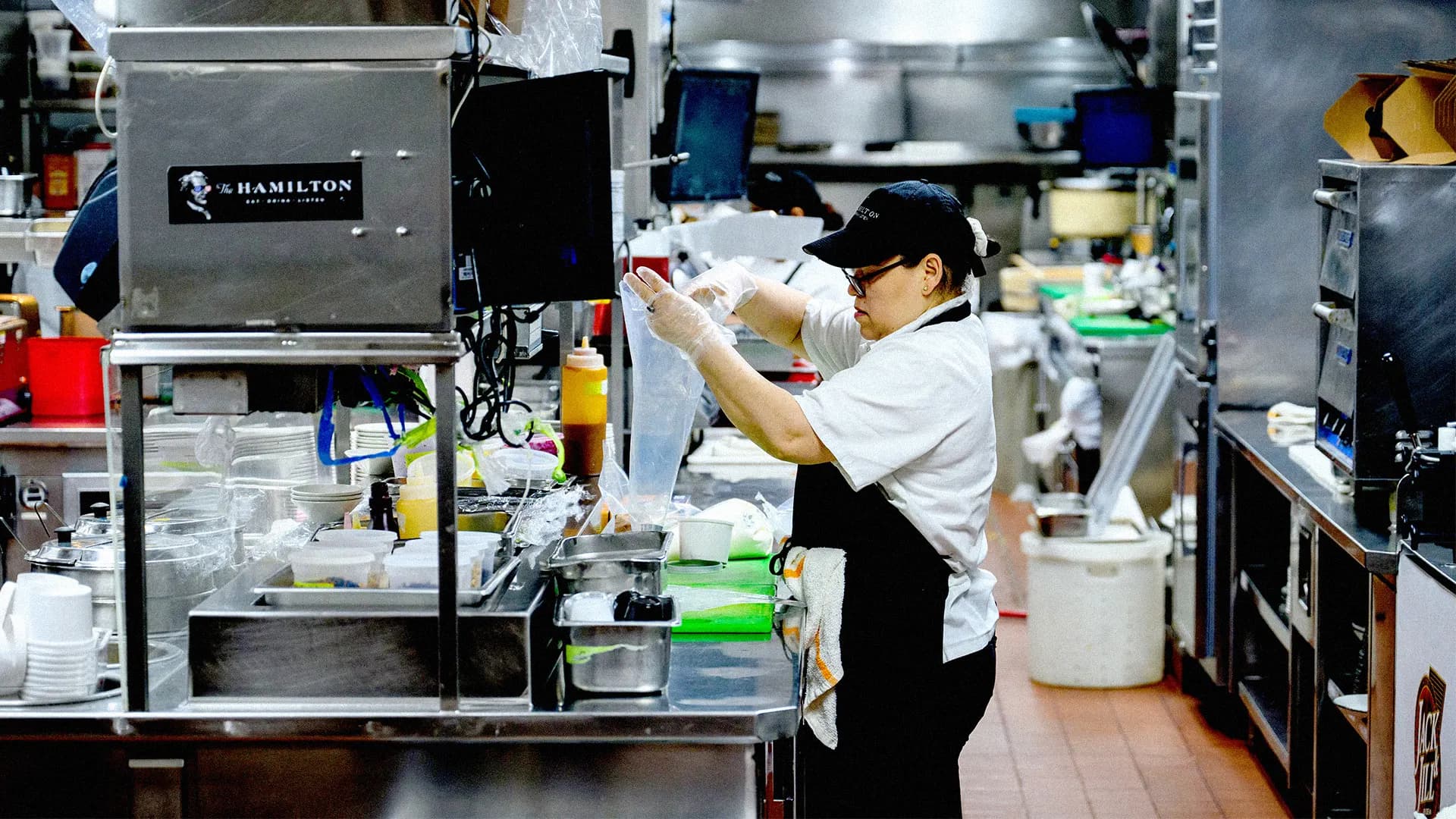
New research from a national study paints a sobering picture of economic instability among hourly workers in restaurants and food service establishments across the country. The findings underscore a troubling reality: the vast majority of frontline hospitality workers are struggling to make ends meet despite ongoing employment. For Charlotte, a city with a thriving restaurant scene stretching from Uptown to South End and beyond, these statistics warrant serious attention from business owners and community leaders alike.
The 67 percent figure representing workers in constant financial stress signals a deeper structural problem within the industry's compensation model. These workers—servers, kitchen staff, dishwashers, and other essential positions—form the backbone of restaurants and bars, yet many cannot achieve basic financial stability. This disconnect between essential work and sustainable wages raises questions about long-term workforce retention and the viability of current business models in Charlotte's competitive hospitality market.
For Charlotte-area restaurant operators, the study highlights immediate challenges: attracting and retaining quality staff becomes increasingly difficult when workers are financially stressed, leading to higher turnover and training costs. Additionally, stressed employees may deliver lower service quality, impacting customer experience and business reputation. Progressive restaurant owners are beginning to recognize that investing in fair compensation and benefits isn't just ethical—it's strategically sound business practice.
The findings suggest a need for industry-wide conversation about sustainable wage structures, scheduling practices, and support systems that could help stabilize workers' financial situations. Whether through higher base wages, improved benefit access, or revised tipping models, Charlotte's restaurant community faces pressure to innovate solutions that work for both employers and employees. The question isn't whether change is coming, but whether local businesses will lead or lag in addressing this fundamental challenge.