Photo via Fortune
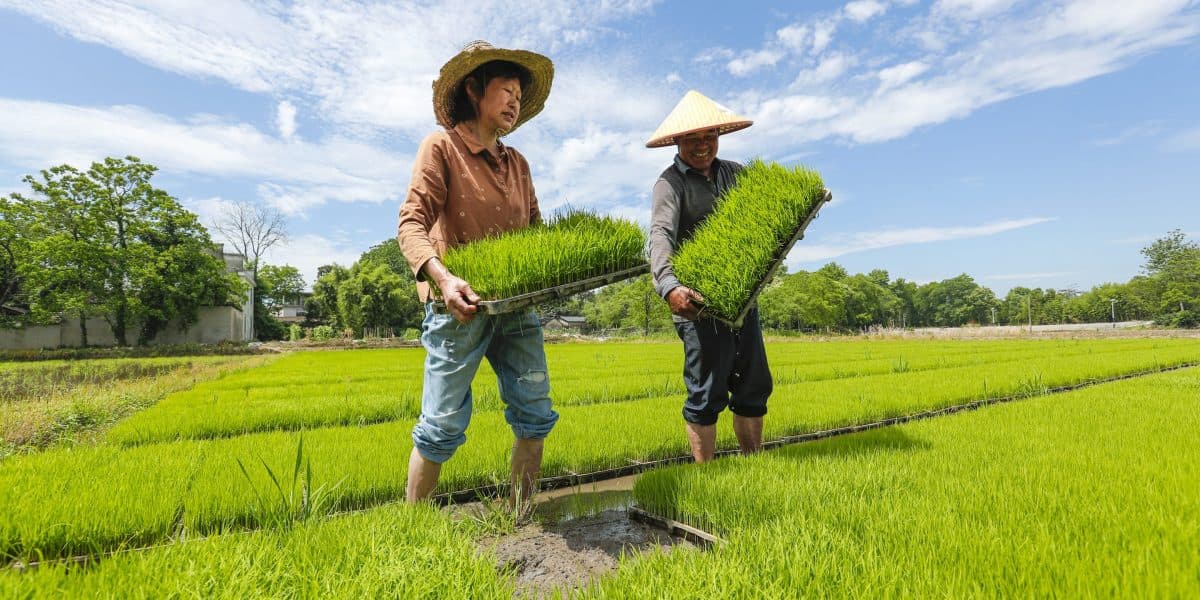
Rice feeds more than half the world's population, making it one of the most critical food crops globally. However, a recent study published in Nature Food reveals a troubling environmental cost: rice paddies now generate emissions equivalent to 239 million cars annually. This finding underscores a growing tension between feeding the world and managing climate impact—a challenge that increasingly affects corporate sustainability commitments and supply chain decisions for Charlotte-area businesses sourcing agricultural products.
According to the research, rice paddy emissions have nearly doubled since the 1960s, driven largely by increased production to meet global demand. The emissions stem primarily from methane released by microorganisms in flooded paddies, making rice agriculture's single largest non-livestock emissions source. For companies with operations or supply chains connected to agriculture—from food manufacturers to logistics providers—this data points to a need for greater transparency and potential shifts in sourcing strategies.
The implications extend beyond environmental concerns to economic and competitive considerations. As climate regulations tighten globally and consumer pressure mounts for sustainable practices, agricultural suppliers and food-related businesses may face pressure to invest in emissions-reduction technologies. Companies in the Carolinas' food processing, distribution, and retail sectors should begin evaluating how rice sourcing and broader agricultural supply chains factor into their carbon footprint and long-term resilience.
The study raises important questions for regional stakeholders: How can businesses balance sustainability goals with agricultural productivity? What role should innovation in farming techniques play in corporate environmental strategies? As climate considerations increasingly influence investor decisions and consumer choices, Charlotte-based companies would be wise to engage proactively with their agricultural suppliers on emissions mitigation rather than waiting for regulatory requirements to force action.