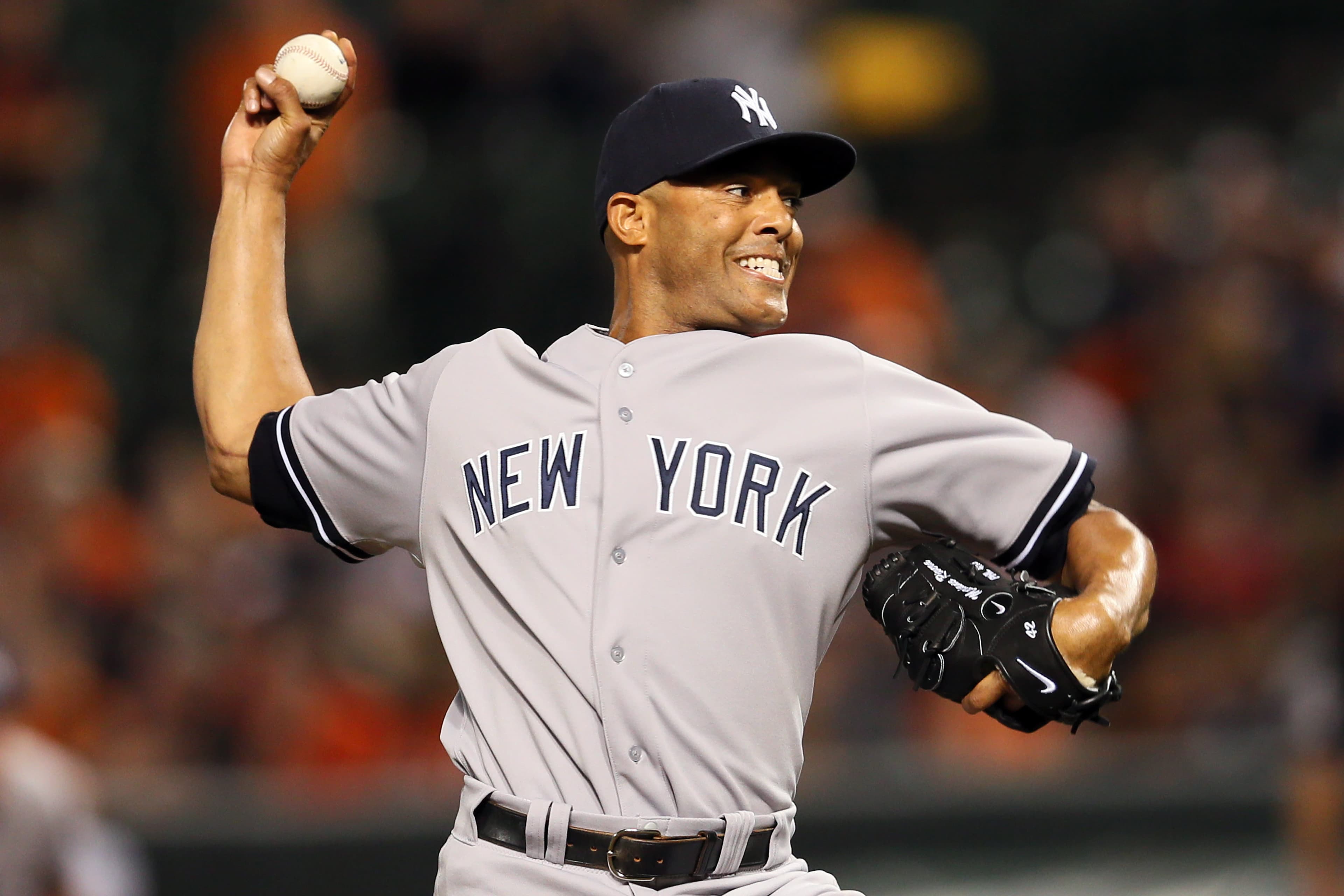
Photo via CNBC Business
Mariano Rivera, one of baseball's greatest players and a Yankees icon, has entered the ongoing debate about Major League Baseball's financial structure by voicing support for a salary cap—but with an important caveat. According to CNBC, Rivera believes a cap could benefit the sport, provided that small-market franchises commit to competitive spending levels alongside their larger-market counterparts.
The proposal touches on a fundamental tension in professional sports: how to balance competitive fairness with market realities. Large-market teams like the Yankees have historically leveraged their revenue advantages to attract top talent, while smaller-market clubs struggle to compete for premium players. Rivera's position suggests that a salary cap alone wouldn't solve the problem without accountability measures ensuring equitable investment.
For Charlotte business leaders watching the sports industry, Rivera's comments underscore broader questions about how organizations structure compensation and maintain competitive advantage. The sports business model—with its labor disputes, revenue-sharing debates, and team valuations—often mirrors challenges in other competitive industries where wage structures and market disparities affect talent acquisition and retention.
The salary cap discussion remains contentious among players, owners, and fans. Rivera's nuanced stance—supporting a cap while demanding equal spending commitments—reflects the complexity of creating a sustainable financial framework that doesn't disadvantage smaller markets or compromise the sport's competitive integrity.