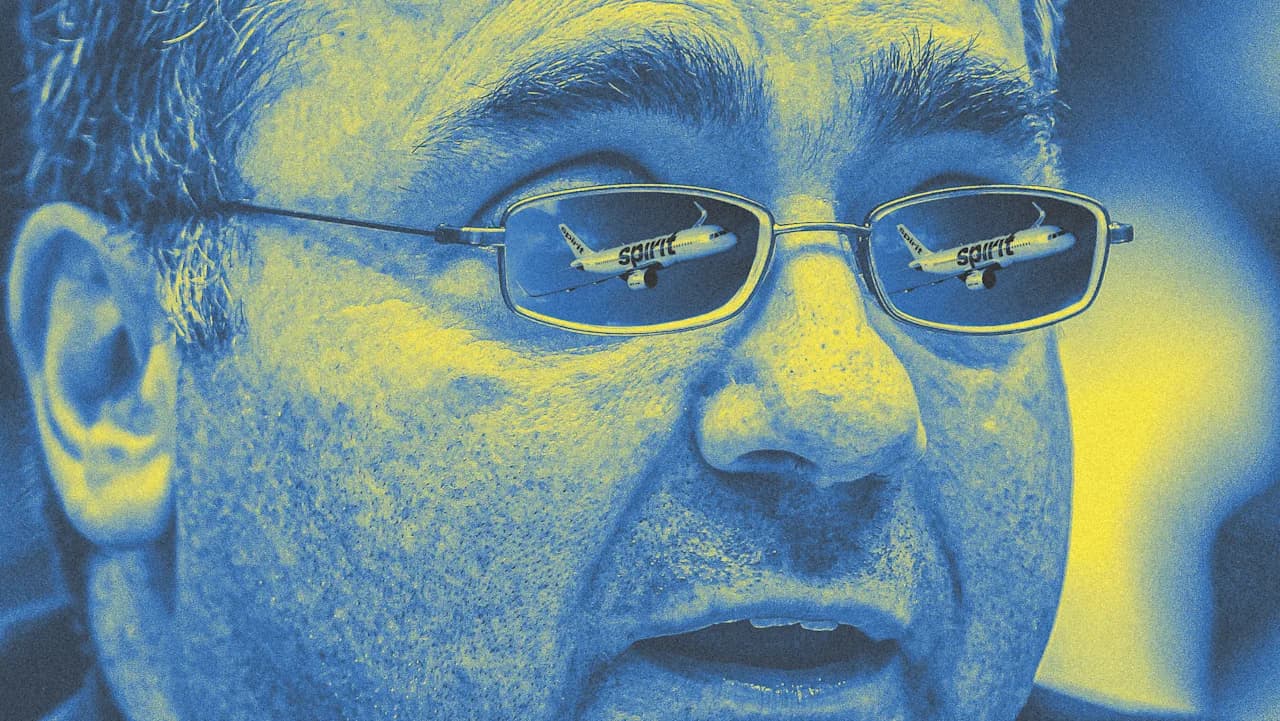
Photo via Fast Company
Spirit Airlines' recent collapse marks the end of an era defined by aggressive cost-cutting and opaque pricing practices. The ultra-low-cost carrier pioneered what it called the 'bare fare'—stripping away amenities like seat selection, carry-on bags, and snacks—and charging customers separately for each. While the strategy initially positioned Spirit as highly profitable, the approach ultimately backfired as larger competitors adopted similar tactics without the reputational baggage, leaving Spirit without a competitive advantage.
The airline's business model relied heavily on consumer confusion. According to business ethics scholars, over 40% of Spirit's pre-2015 revenue came from ancillary fees rather than ticket sales, with customers often surprised by hidden charges at the gate. This strategy generated short-term profits—Spirit was named the world's most profitable airline in 2014—but at the cost of customer trust and industry reputation. For Charlotte-area business travelers, the lesson is clear: sustainable growth requires transparency, not opacity.
Spirit's eventual downfall demonstrates what happens when an entire industry races to the bottom. Major carriers including United, American, and Delta adopted Spirit's à la carte model for basic economy fares, eliminating the carrier's differentiation. By copying Spirit's tactics without the stigma, competitors undercut the innovator on its own terms. This dynamic shows how disruptive business practices can harm the originator while reshaping entire sectors.
The Spirit Airlines story offers important lessons for Charlotte business leaders: short-term profitability gained through customer confusion and reduced value propositions rarely sustains competitive advantage. Instead, companies that prioritize transparent pricing, customer expectations alignment, and genuine value creation tend to build more resilient, long-term businesses. As Spirit's bankruptcy illustrates, the race to the bottom ultimately benefits no one.