Photo via Fortune
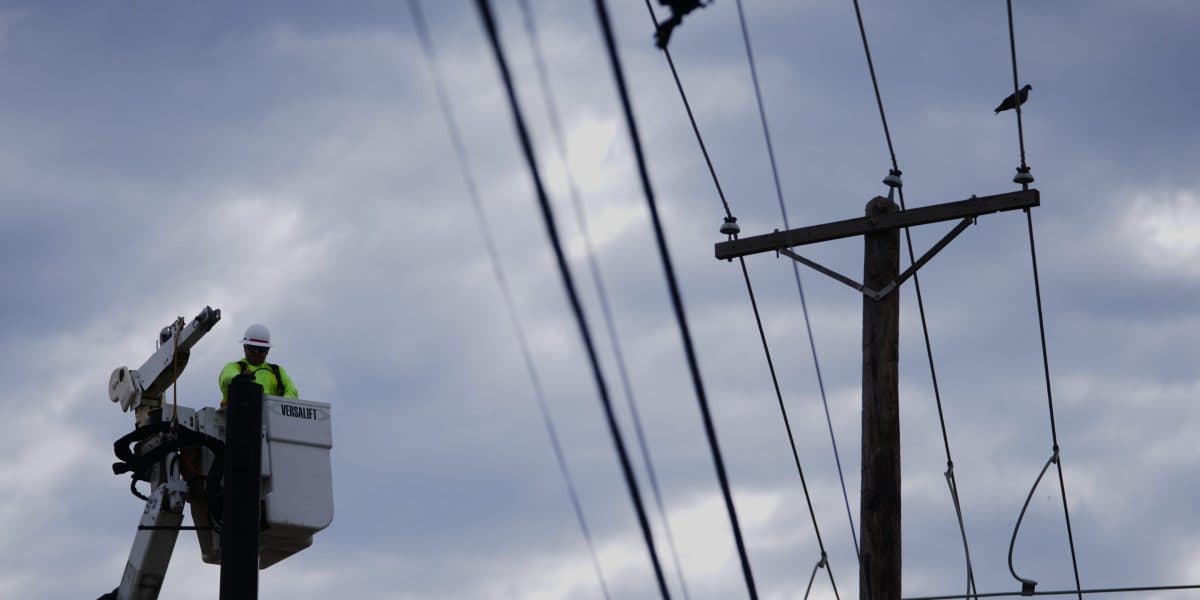
Regulators and elected officials in multiple states are taking aggressive action to challenge utility rate increase proposals, according to Fortune. The pushback reflects growing frustration among policymakers who argue that power companies are prioritizing shareholder returns over consumer relief. This regulatory tension comes at a critical moment as utilities navigate changing energy demands and infrastructure modernization needs.
The controversy centers on utilities' expanding profit margins even as they seek rate increases from consumers. According to the reporting, officials characterize the approach as 'blatant corporate greed,' particularly as electricity demands surge due to data center expansion and artificial intelligence infrastructure. This dynamic creates a challenging calculus for regulators trying to balance utility investments with consumer affordability concerns.
For Charlotte-area businesses and residents, these regulatory battles in other states may signal similar pressures ahead. Duke Energy, which serves the Carolinas, operates in a region where electricity demand is expected to grow substantially. The outcome of these interstate disputes could influence how North Carolina and South Carolina regulators approach future rate cases and infrastructure investment discussions.
The clash highlights a broader tension in the energy sector between meeting new technological demands and maintaining affordable power for consumers and businesses. As AI computing facilities and data centers increasingly drive electricity consumption nationally, state regulators face decisions about how costs should be allocated between companies driving demand and broader rate bases.