Photo via Fortune
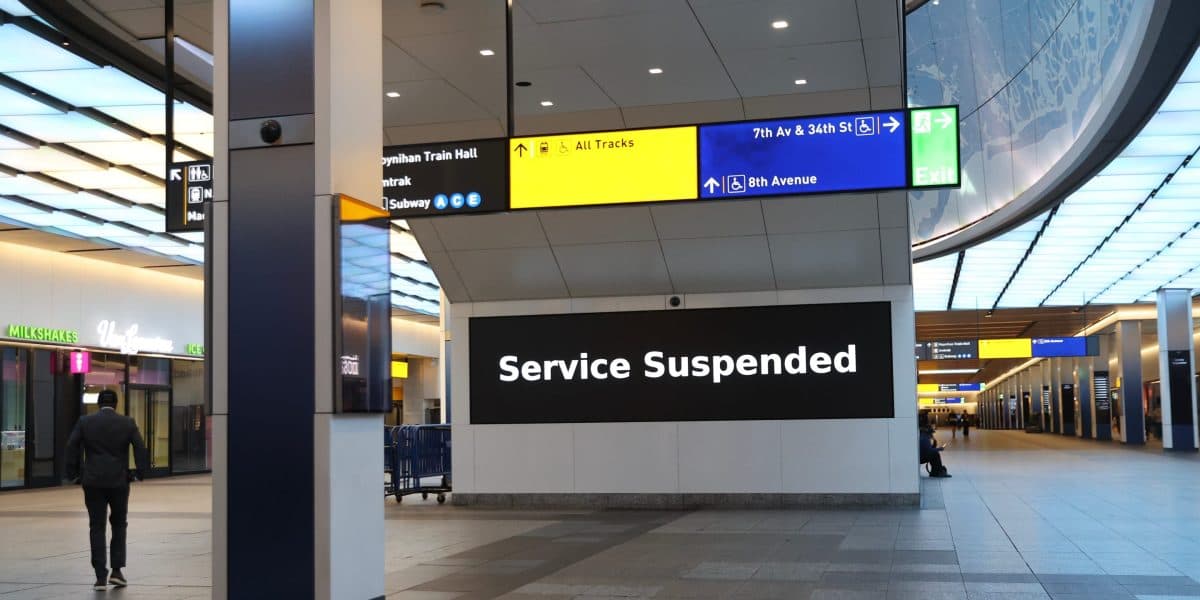
When five unions representing approximately half of Long Island Rail Road's workforce initiated a work stoppage following extended contract negotiations, it sent ripples far beyond New York's commuter networks. According to Fortune, the labor action—which even drew attention from President Trump during talks—underscores how quickly transportation infrastructure can become a bottleneck for regional economies. For Charlotte-area companies with East Coast distribution networks or customer bases, the incident illustrates the real costs of transit disruptions.
The LIRR strike demonstrates a critical vulnerability in the Northeast's logistics ecosystem. Businesses dependent on the corridor for freight movement, last-mile delivery, or employee commuting face immediate operational challenges. Charlotte's growing manufacturing and e-commerce sectors, which increasingly depend on efficient East Coast logistics hubs, should take note of how quickly a single labor action can cascade through supply chains.
Regional transportation networks form the backbone of modern commerce, and any significant disruption—whether from labor disputes, weather, or infrastructure failures—can amplify costs across multiple industries. Companies managing inventory, schedules, or customer fulfillment from Charlotte to the Northeast would be wise to audit their dependency on any single transportation corridor and develop contingency plans.
As Charlotte continues attracting logistics operations and distribution centers, local business leaders should consider this Northeast situation a practical reminder to build redundancy into supply chain strategies. Diversifying transportation routes, maintaining strategic inventory buffers, and negotiating flexible service agreements with carriers can help mitigate risks when major transit networks face disruption.