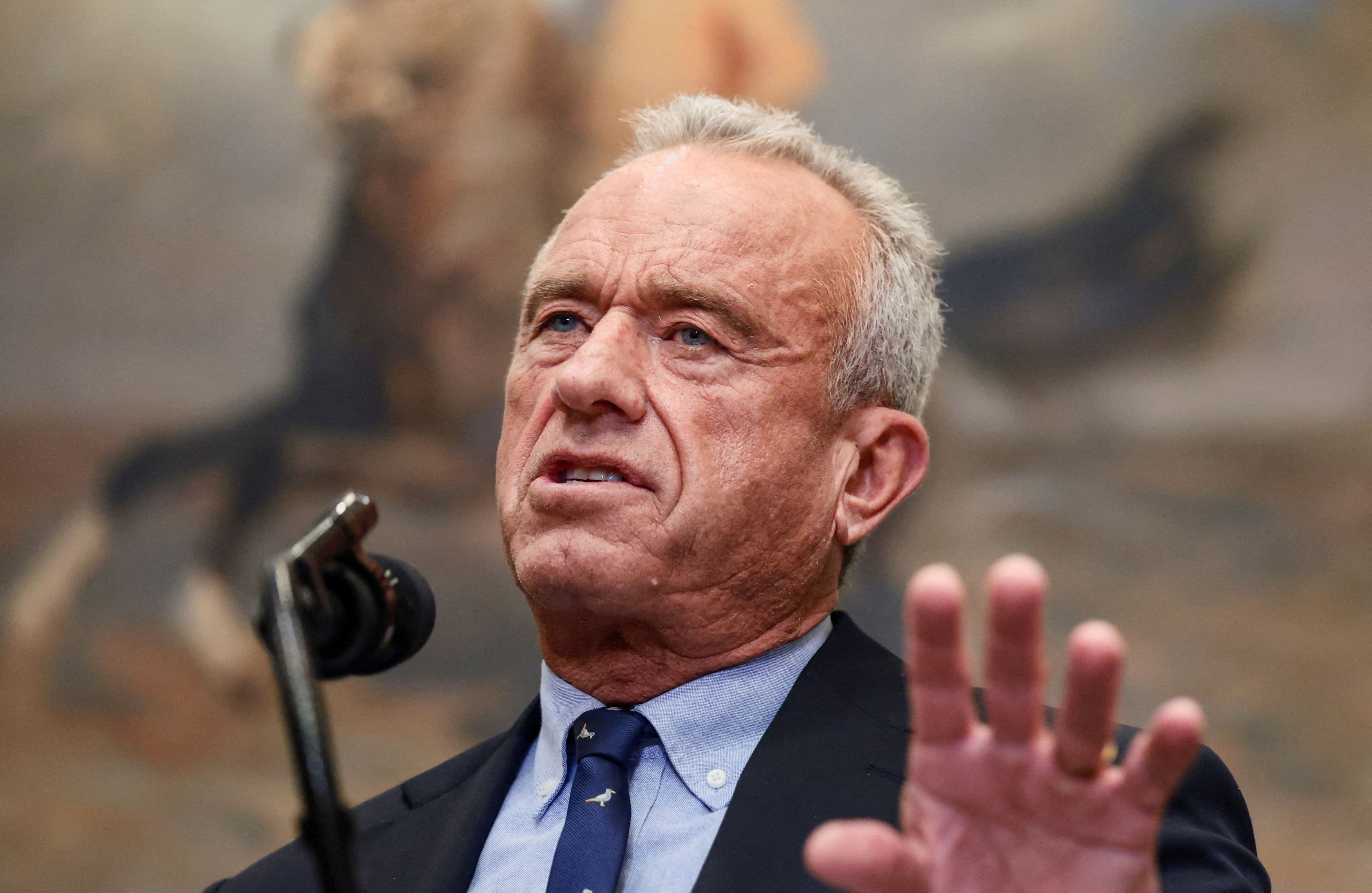
Photo via CNBC Business
Robert F. Kennedy Jr. has signaled support for a potential ban on television advertisements for junk food, a position that could reshape how major food manufacturers approach marketing if implemented. According to CNBC Business, such a regulatory move would face substantial opposition from the food industry, which relies heavily on broadcast advertising to reach consumers.
For Charlotte-area businesses, particularly those in retail, food distribution, and media advertising, this proposal warrants close attention. Regional companies dependent on traditional TV advertising revenue could face financial pressure if restrictions are enacted, while food manufacturers with operations or distribution networks in the Carolinas would need to adapt their marketing strategies significantly.
The food industry's anticipated backlash reflects the scale of investment in television advertising as a marketing tool. Major manufacturers have built business models around reaching consumers through prime-time slots and children's programming, making any regulatory restrictions a fundamental challenge to existing promotional frameworks.
As this policy discussion develops, Charlotte business leaders should monitor potential regulatory changes that could affect advertising spending, consumer behavior patterns, and product placement strategies across retail and food service sectors. The outcome could influence everything from local media budgets to consumer health trends in the region.